


- Features
- Technologies
- Specifications


High-Grade Design
The STX 160 Series’ dynamic and agile image is instantly apparent when looking at each model’s carefully sculpted, edgy-looking front end, highlighted by accent lights (on LX-S, LX and R). With the nose positioned higher and sleek, flowing lines from front to rear, the STX 160 Series models look slim and sharp, illustrating the sporty, agile kind of riding at which they excel.
Flagship-Level Features
Building on an already impressive base, the new STX 160 Series models add performance and convenience features to make the sporty runabout even more fun and convenient to use.
Light, Agile STX Platform
Performance fitting the bill of what the STX 160 Series is all about—having fun in calm water sporty riding—is on offer here, with new features aimed at giving riders an even more comfortable, enjoyable riding experience.
7” TFT Display
Large, easy-to-read 7” full-colour TFT instrumentation offers multiple display modes, jog-dial control, Bluetooth connectivity, and infotainment features. It also looks great as the first thing the rider sees every time they get on their JET SKI, adding to pride of ownership.
Power Modes
In addition to Smart Learning Operation (SLO)-Mode, riders can select from Full, Middle and Low Power Operation.
Sleek Design
A high-sitting, sharp front nose creates a sleek, elongated, silhouette for the entire watercraft for a look befitting the next-generation, new standard Kawasaki PWC.
KSRD
Kawasaki Smart Reverse with Deceleration (KSRD) electrically deploys the reverse bucket. Activated with a thumb switch on the right handle, it enables thrust to be controlled with one hand. When deployed, the reverse bucket contributes to deceleration.
160 PS NA Marine 1,498 cm3 In-Line Four Engine
Responsive and reliable, the normally aspirated, liquid-cooled 1,498 cm3, In-Line 4-cylinder marine engine balances its high performance with clean emissions, good fuel economy, and family-friendly power delivery.
Kawasaki Emblem
With an emblem on the front similar in design to Kawasaki’s higher-end models, the view from the front is dynamic, eye-catching and inspires pride in ownership.
Distinct Images
The STX 160 Series offer four models with four distinct images. Using colour in different ways leads to a unique look for each, such as a central stripe for a sporty look on the R model, and a horizontal use of colour for a wide look on the LX model.
Adjustable Electronic Cruise Control
Highly convenient for long-distance cruising, this mode fixes speed (rpm) at the level specified. Cruising speed is easily adjusted with the push of button. This is now a feature on all models in the STX 160 Series.
Splash Guard
The front bumper serves as a splash guard to both prevent water from contacting the rider when in motion, and to reduce the amount of water able to get into the foot wells for a more comfortable ride.
Electric Trim Control
Riders can easily control the attitude of the hull to suit water surface conditions and riding style, keeping the JET SKI adjusted exactly as the rider intends for the ideal ride every time.
Compact STX Hull
The STX hull has been a mainstay in Kawasaki’s PWC lineup for many years, and for good reason. The lightweight, nimble-handling hull is ideally suited to sporty riding, providing the fun on the water riders are looking for in this class.




Electronic Throttle Valves
Electronic Throttle Valves allow the ECU to deliver the ideal amount of fuel and air to the engine.
Electronic Cruise Control
Electronic Cruise Control allows vehicle speed to be fixed. Rider support technology that helps reduce rider fatigue on long trips and contributes to increased touring comfort.
Power Modes
Power Mode selection allows engine power delivery to be changed to suit the riding situation.
Economical Riding Indicator
The Economical Riding Indicator is a mark appearing on the instrument panel to indicate favourable fuel consumption, encouraging fuel efficient riding.
Engine
| Engine type | Water-cooled, 4-stroke, in-line four |
|---|---|
| Compression ratio | 10.6:1 |
| Valve system | DOHC, 16 valves |
| Bore x stroke | 83.0 x 69.2 mm |
| Displacement | 1,498 cm³ |
| Fuel system | Fuel injection: 60 mm x 1 |
| Lubrication | Forced lubrication, semi‑dry sump |
| Starting System | Electric |
| Ignition System | Digital |
Performance & Transmission
| Maximum power | 112.0 kW {152 PS} / 7,800 rpm |
|---|---|
| Maximum torque | 144.0 N•m {14.7 kgf•m} / 6,000 rpm |
| Final drive | Direct drive from engine |
Frame & Dimensions
| L x W x H | 3,310 x 1,180 x 1,145 mm |
|---|---|
| Fuel capacity | 78.0 liter |
| Curb mass* | 425 kg |
| | *Curb mass includes all necessary materials and fluids to operate correctly, full tank of fuel (more than 90 percent capacity) and tool kit (if supplied). |
| Estimated dry weight** | 362 kg |
| | **Estimated Dry weight does not include all necessary materials and fluids to operate correctly, full tank of fuel (more than 90 percent capacity) and tool kit (if supplied). |
Accessories
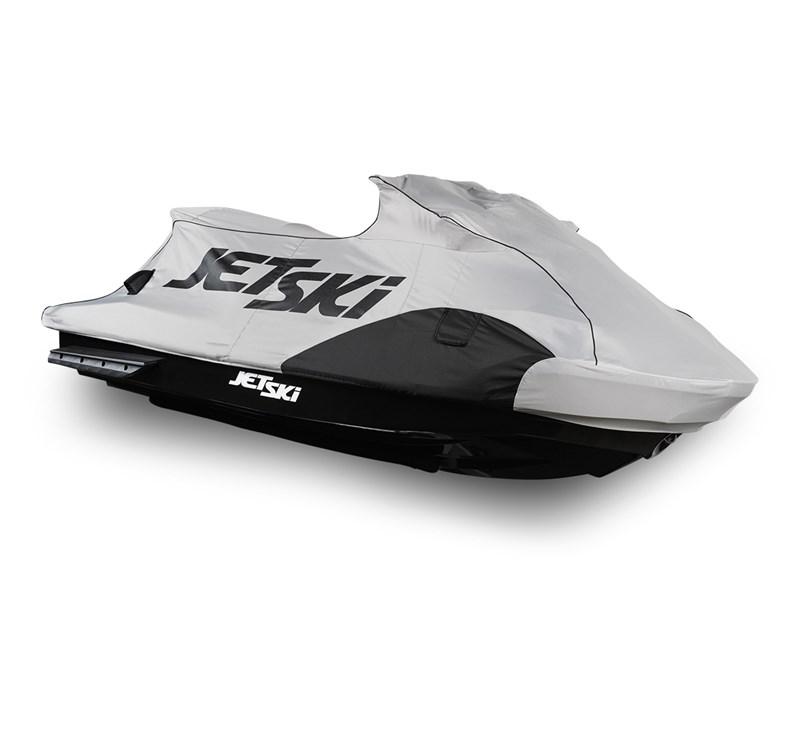
Vacu-Hold STX 160 Cover - without Extended Deck
Vacuum-vented trailering system
- Lower front hull section protects the front of the craft
- Constructed of Sur Last solution dyed polyester
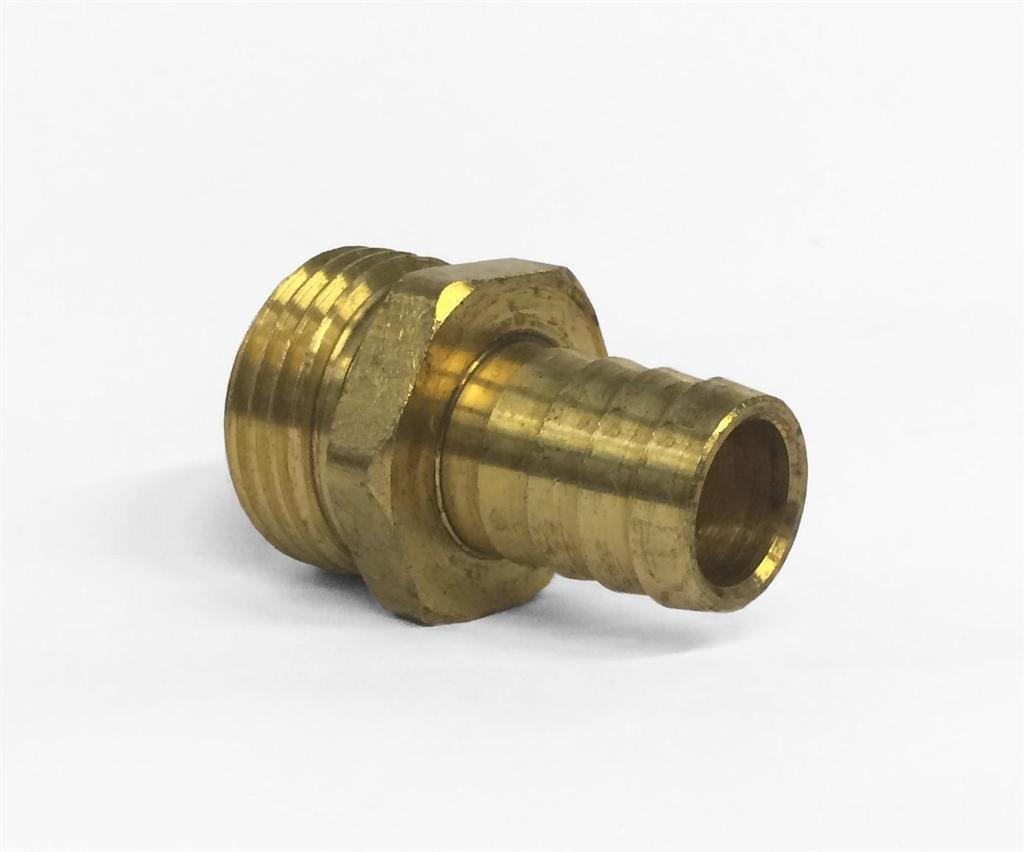
Flush Adaptor
Connector for flushing cooling system.

The Buoyancy Aid is developed by Besto (part of Lankhorst-Taselaar) and Kawasaki Motors Europe.
The (swimming) vest is made of soft neoprene fabric with additional foam panels to provide maximum comfort. The design is made to match our modern Jet Ski PWC and is unisex.
Available in size Youth to XXL. The stretch material ensures a tight fit and maximum mobility compared to Nylon vests.
Conveniently a size chart is printed inside each vest.
Specifications:
- Equipped with a D-ring to attach to the emergency cord.
- ISO-certified and CE-approved.EN ISO 12402-5
- XXS (Youth): 64-74
- XS: 76-84
- S: 84-94
- M: 94-104
- L: 104-114
- XL: 114-124
- XXL: 124-135
- Vacu-Hold STX 160 Cover - without Extended Deck
- Flush Adaptor